
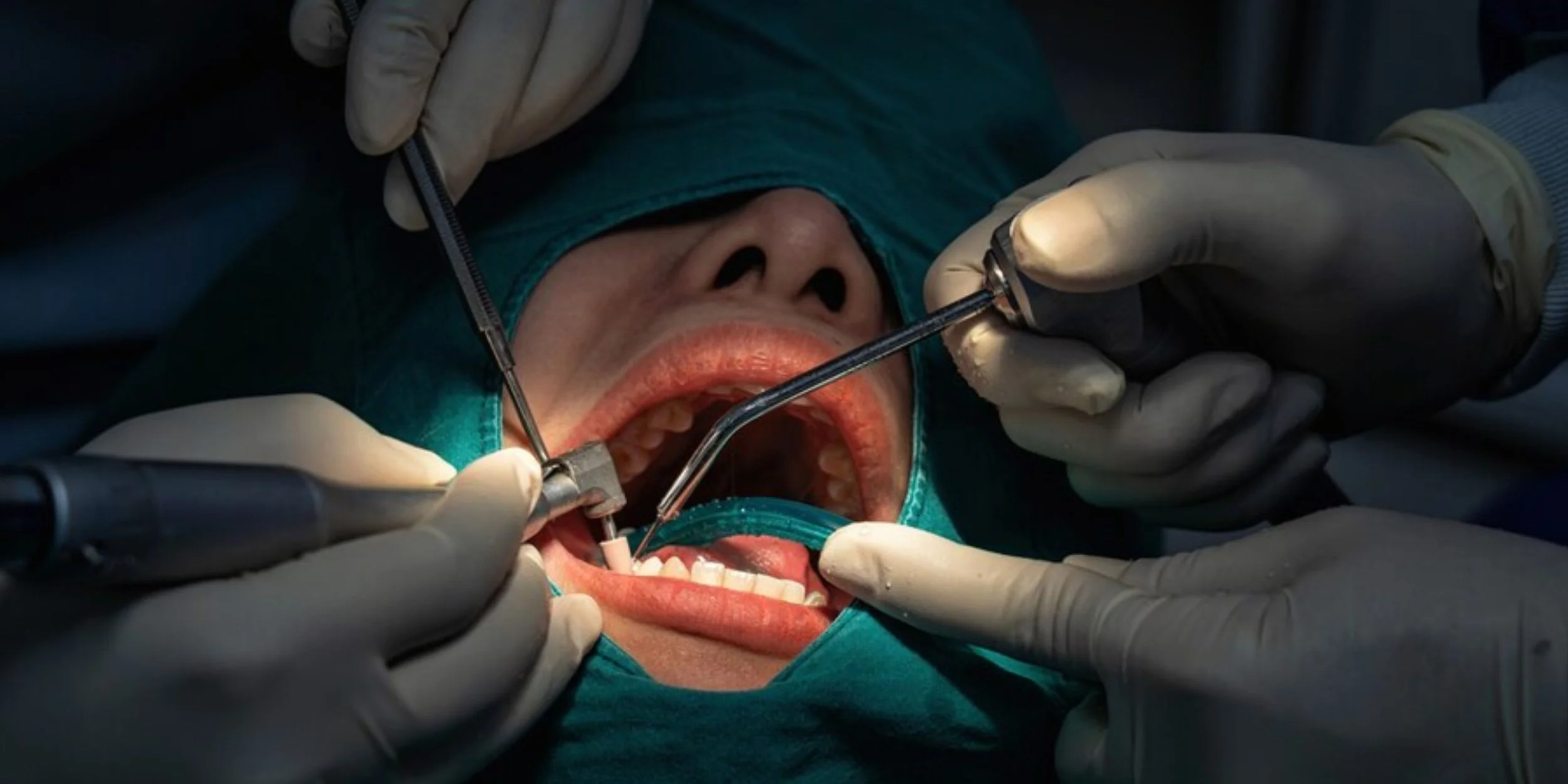
Oral health affects your comfort, confidence, and overall quality of life. However, some dental problems need more than a routine dental check-up. In such cases, an oral surgeon can provide specialised care and treatment.
An oral surgeon treats problems involving the teeth, gums, jaw, and surrounding facial areas. These specialists perform different surgical procedures based on each patient’s dental needs.
At Radiant Smiles Dental, patients from Dombivli, Lodha Palava, and Shilphata can access professional dental care. The clinic provides treatment for wisdom teeth, tooth removal, dental implants, and other oral surgery needs.
What Does an Oral Surgeon Do?
An oral surgeon performs procedures that may require advanced dental skills. These treatments can include tooth removal, wisdom tooth surgery, dental implant procedures, and jaw-related treatments.
First, the oral surgeon examines your mouth and reviews your dental history. They may also recommend dental X-rays or other scans.
Then, they explain the treatment options in simple language. They also discuss the expected recovery time and aftercare instructions.
Therefore, visiting a specialist can help you understand your condition before starting treatment.
When Should You Visit an Oral Surgeon?
Not every dental problem requires surgery. However, some conditions need specialist attention.
You may need an oral surgeon when you have:
- Impacted wisdom teeth
- Difficult or damaged teeth
- Severe tooth infection
- Teeth that cannot be removed normally
- Missing teeth requiring implants
- Certain jaw problems
- Complex dental conditions
If your dentist recommends specialist treatment, an oral surgeon can assess your condition. They can then suggest an appropriate treatment plan.
Wisdom Teeth Removal
Wisdom teeth removal is one of the most common procedures performed by oral surgeons. Wisdom teeth usually appear during the late teenage years or early adulthood.
Sometimes, these teeth grow normally and do not cause problems. However, they can become impacted when there is not enough space in the jaw.
An impacted wisdom tooth may cause pain, swelling, infection, or difficulty opening the mouth. It can also affect nearby teeth.
Therefore, your dentist or oral surgeon may recommend removal. The specialist will first examine the tooth and surrounding area.
Depending on its position, the removal may involve a simple or surgical procedure. Your oral surgeon will explain the process before treatment.
Tooth Extraction by an Oral Surgeon
Tooth extraction involves removing a tooth from its socket. Dentists usually try to save natural teeth whenever possible.
However, extraction may become necessary when a tooth is severely damaged or infected. It may also be required for some impacted teeth.
An oral surgeon can manage complex extractions safely. They use suitable techniques to reduce discomfort and protect nearby tissues.
After extraction, proper care is important. Your dental team will provide instructions about eating, cleaning, and protecting the treatment area.
Following these instructions can support a smoother recovery.
Dental Implant Treatment
Missing teeth can affect chewing, speech, and your smile. Dental implants offer a long-term option for replacing missing teeth.
A dental implant uses an artificial tooth root placed into the jawbone. A dental crown is then attached after the area has healed.
A dental implant surgeon Dombivli can assess your teeth, gums, and jawbone before recommending implant treatment.
The treatment plan depends on your oral health and individual needs. Your dentist may also recommend additional treatment before implant placement.
With proper planning and regular dental care, implants can provide a stable and natural-looking tooth replacement.
Choosing the Best Oral Surgeon
Choosing the best oral surgeon involves more than looking at online ratings. You should consider the specialist’s experience, treatment approach, clinic facilities, and communication.
First, check whether the surgeon provides the treatment you need. Next, ask about the procedure and expected recovery.
It is also helpful to choose a clinic where the dental team explains each step clearly. This can make you feel more comfortable before treatment.
If you live locally, choosing an experienced best oral surgeon in Dombivli can also make follow-up appointments easier.
Oral Surgery in Dombivli, Lodha Palava and Shilphata
Finding specialist dental care close to home can make treatment more convenient. Radiant Smiles Dental provides dental services for patients in Dombivli, Lodha Palava, and Shilphata.
The dental team can assess your condition and recommend suitable treatment. Whether you need wisdom tooth care, tooth removal, or dental implant treatment, professional evaluation is important.
Furthermore, regular follow-up can help monitor your recovery after treatment.
How to Prepare for Oral Surgery
Your preparation depends on the type of procedure you need. Your oral surgeon will provide specific instructions before treatment.
Generally, you should share your complete medical and dental history with your dentist. Also, tell the dental team about any medicines or allergies.
Before surgery, ask questions about the procedure and recovery. Understanding the treatment can help reduce stress.
Additionally, arrange enough time for recovery if your procedure requires it.
What Happens After Oral Surgery?
Recovery varies according to the treatment. Simple procedures may require less recovery time. More complex surgery may need additional care.
You may experience some swelling or discomfort after certain procedures. Your dental team will explain how to manage these symptoms.
Follow the recommended aftercare instructions carefully. Keep the treatment area clean and avoid activities that may delay healing.
If you notice unusual pain, bleeding, swelling, or other concerns, contact your dental professional promptly.
Why Professional Oral Surgery Matters
Oral surgery requires careful planning and appropriate clinical skills. A specialist can assess the problem and select a suitable treatment approach.
Moreover, early treatment can prevent some dental problems from becoming more complicated. Therefore, do not ignore ongoing dental pain or swelling.
A professional consultation gives you an opportunity to understand your condition. It also helps you make an informed decision about your dental care.
Frequently Asked Questions (FAQs)
What is an oral surgeon?
An oral surgeon is a dental specialist who treats complex problems involving the teeth, jaw, gums, and facial areas. They perform several types of oral surgery.
When do I need an oral surgeon?
You may need an oral surgeon for impacted wisdom teeth, complex tooth removal, dental implants, or certain jaw problems. Your dentist can recommend a specialist when needed.
Is wisdom teeth removal painful?
The procedure is performed using appropriate anaesthesia. Therefore, you should not feel the procedure itself as pain. Some discomfort can occur during recovery.
How long does tooth extraction take?
The time depends on the tooth and the complexity of the procedure. A simple extraction may be relatively quick, while a difficult extraction can take longer.
Can an oral surgeon perform dental implants?
Yes. Oral surgeons can perform dental implant procedures when appropriate. However, treatment suitability depends on your teeth, gums, jawbone, and overall oral health.
How do I find the best oral surgeon in Dombivli?
Look for a qualified specialist with relevant experience and suitable treatment options. Also, choose a clinic where the dental team clearly explains your treatment and aftercare.
Conclusion
An oral surgeon can help treat complex dental and jaw-related problems. From wisdom teeth removal to tooth extraction and dental implant procedures, specialist care can provide an appropriate treatment plan.
If you are looking for an oral surgeon in Dombivli, Radiant Smiles Dental provides dental care for patients from Dombivli, Lodha Palava, and Shilphata.
A professional consultation is the best first step. It allows your dental team to understand your concerns and recommend suitable treatment for your needs.